

Guest post by Cora Gold
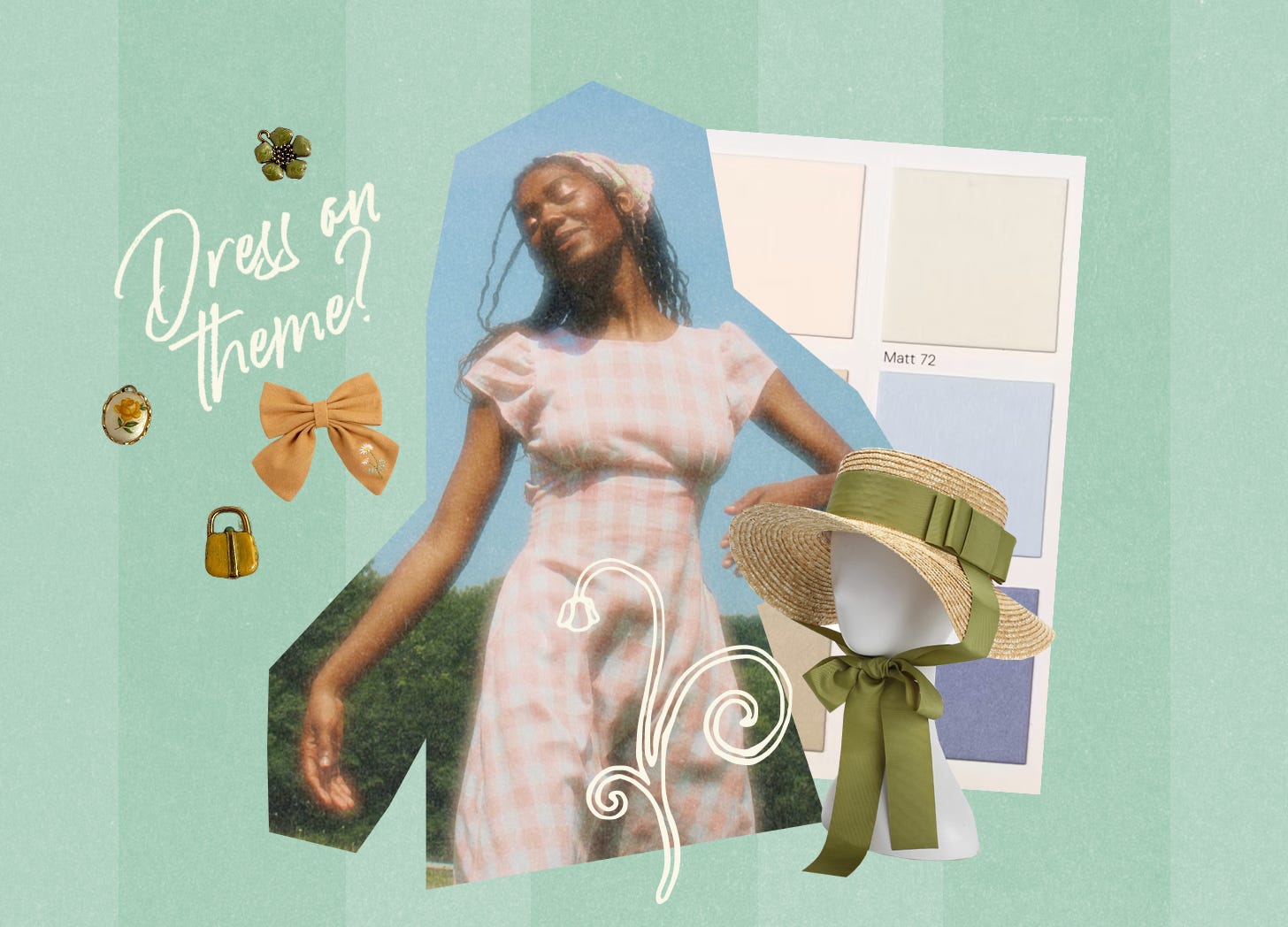
Last year, inspired by my Pinterest board full of dainty floral prints, gingham dresses and vintage table settings, I decided to host a cottagecore birthday celebration for myself. I spent weeks planning the decorations, menu, and invitations for my spring picnic party.
In my mind, everyone would arrive wearing whimsical dresses, straw hats, floral prints, and vintage-inspired outfits ready for a cozy tea party. Then my guests started showing up, and almost nobody was dressed up for the theme. While it didn’t make or break the day, it was still a bit disappointing when all my friends walked in wearing jeans and T-shirts.
After taking another look at the invitations I had sent out, I realized the problem wasn’t my guests, but how I communicated the dress code. Here are some of the mistakes I made and how you can avoid them.
Focusing Too Much on Aesthetics, Not Information
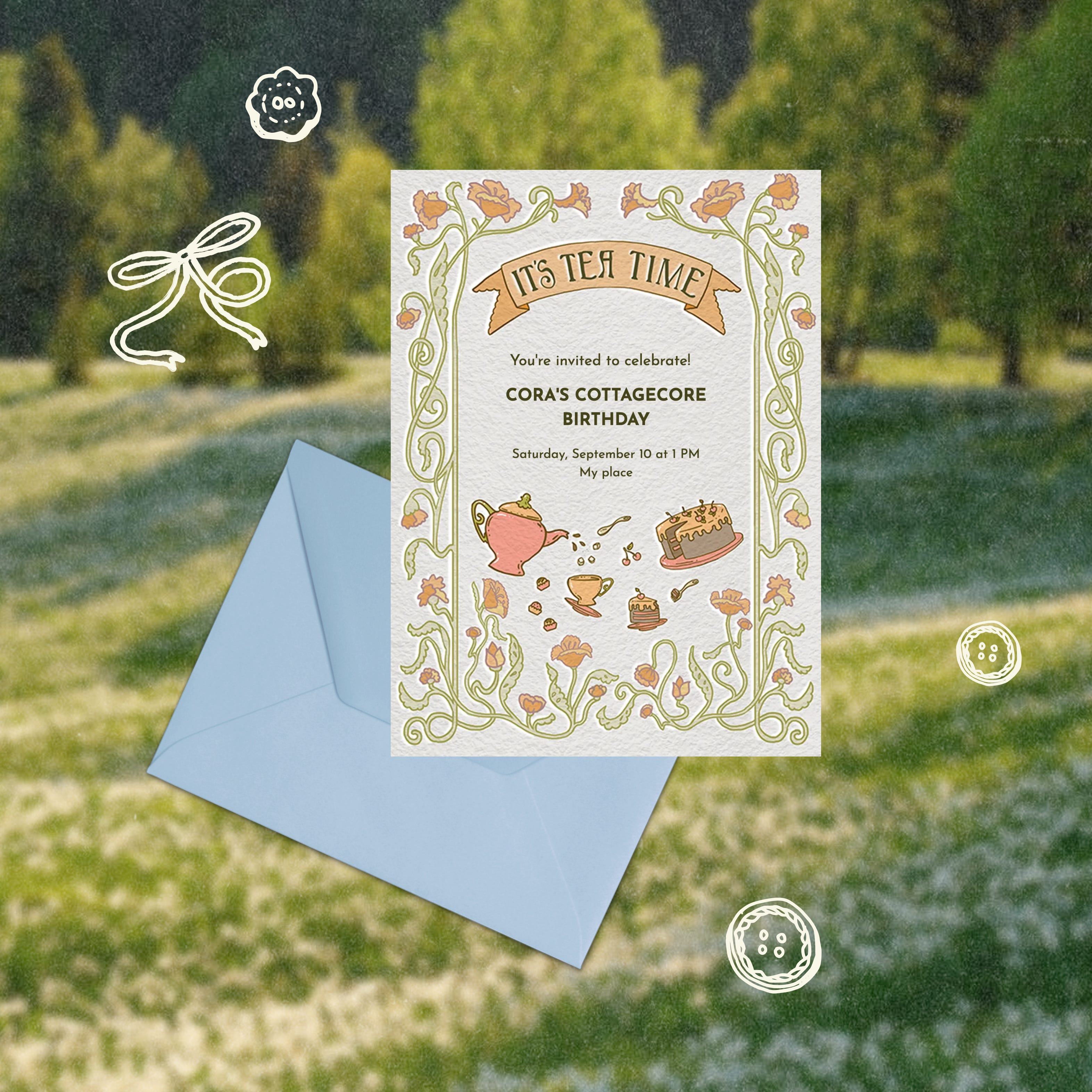
The invitation design matched the cottagecore aesthetic perfectly. There were soft florals, muted colors, and whimsical fonts. Unfortunately, the actual details about what guests should wear were buried among all the decorative elements.
I spent so much time making my invitations look beautiful that I forgot their real purpose: communicating information. Several people later admitted they missed the dress code entirely.
Your Invitation can still look beautiful, but the important information should be impossible to overlook. If guests have to search for the dress code, there’s a good chance many of them won’t see it.
Being Too Subtle About Expectations
Guests appreciate when you give them clear instructions, especially when it comes to dress code. We asked guests their biggest party pet peeve, and a whopping majority (67%) cited a lack of details (like dress code or parking info) as their top issue.
Rather than being direct, I used casual language like, “Join me for a cottagecore-inspired birthday celebration.” That wording sounds decorative rather than instructional. Some people interpreted it as a themed atmosphere rather than a request to wear specific clothing.
If you want guests to participate, be direct. State the themed party dress code clearly and place it somewhere noticeable on the invitation.
For a disco cowboy party, that could look like, “Dress on theme with your best cowboy boots, hats, sequins, and sparkles.” Some inspiration goes a long way when guests are planning their outfits.
Assuming Everyone Knows What the Theme Means
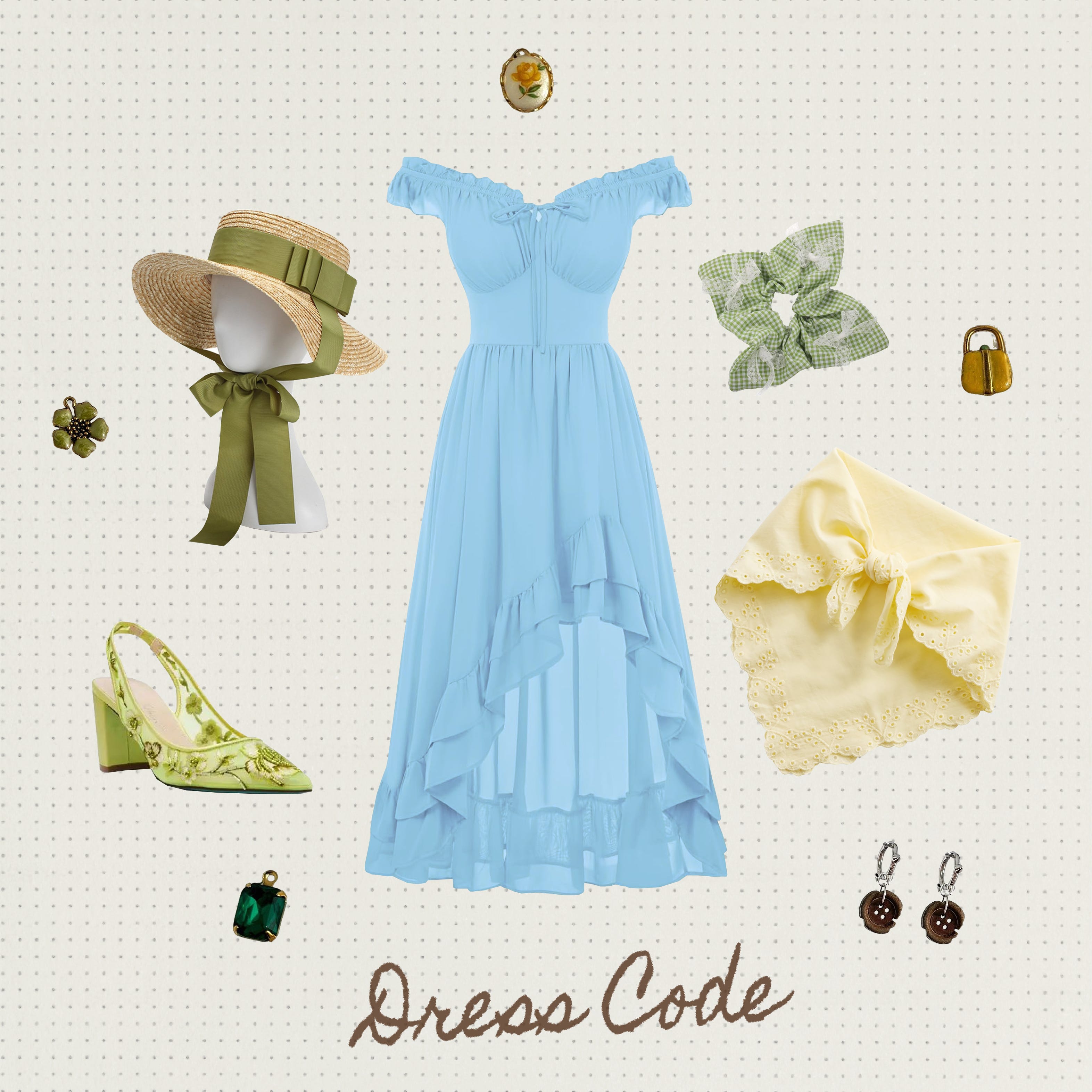
Another mistake people often make is assuming everyone is up-to-date on the same trends. While you might be drawn to the soft earth tones and vintage aesthetic of cottagecore, your friends may not be familiar with it.
Some of my guests had never even heard the term before, and others recognized it but weren’t sure how to dress for it.
No matter what the theme is, you should include a brief explanation so guests know what to expect. This can help them prepare for both the dress code and the types of activities you have planned. If your rodeo party involves a mechanical bull, for example, that can be a deciding factor when it comes to footwear.
Visual examples can also make the theme much easier to understand. You can include a small inspiration collage, a mood board, or links to outfit examples on Pinterest. These references eliminate guesswork and help guests feel more confident about what to wear. The clearer the picture, the more likely people are to participate.
Making Participation Feel Inaccessible
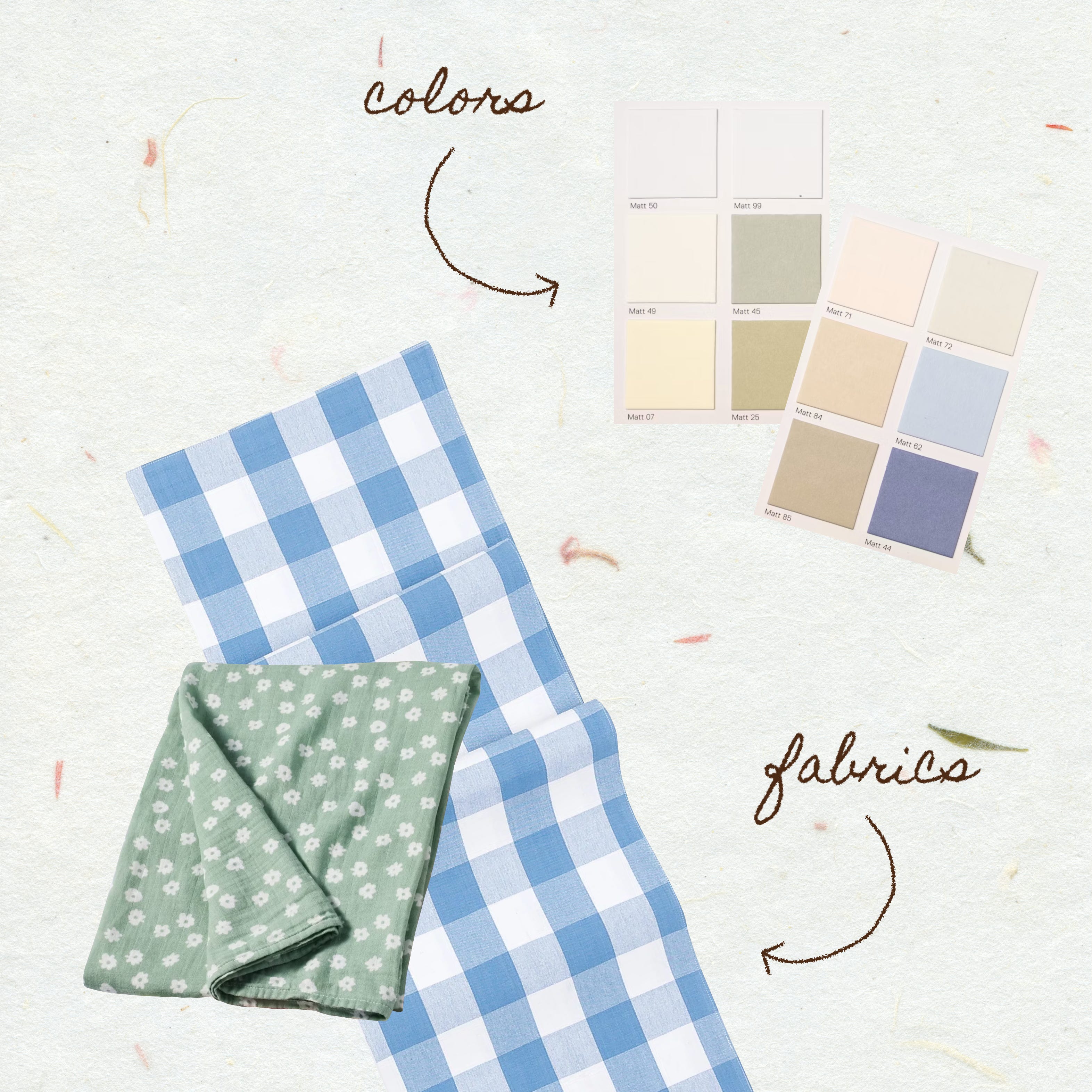
While lots of people love a theme, some don’t, and that’s OK. My vision of flouncy dresses and big hats just wasn’t practical, since it unintentionally expected guests to buy a new outfit for one event.
A good themed party dress code should include simple options. Not everyone wants to build an elaborate costume, but there are still ways they can participate. You can provide a color scheme or suggested patterns and materials that fit the vibe, like floral, plaid, denim or metallic. People are more likely to have something along those lines in their closet already.
Not Reinforcing the Dress Code Before the Event
The invitation wasn’t the only opportunity to communicate expectations. In the weeks leading up to the party, I sent reminder messages about food, parking and arrival times. What I didn’t do was remind guests about the theme.
A quick message a few days before the event can refresh everyone’s memory and answer lingering questions. Sometimes people fully intend to participate but simply forget.
What I’ll Do Differently Next Time
Despite the wardrobe disappointment, the party itself was still a success. Everyone had fun, and I learned valuable lessons that have helped me plan better events since then.
Now, whenever I create a themed party dress code, I make sure to:
Clearly state that dressing up is encouraged.
Explain the theme in simple language.
Include visual examples.
Offer easy outfit ideas at different effort levels.
Send a reminder before the event.
The truth is that most guests want to be good participants. They just need clear instructions. Once I stopped assuming everyone understood my vision, planning themed parties became much easier.
Cora Gold is the Editor-in-Chief of women’s lifestyle magazine, Revivalist. A lover of all kinds of celebrations, she writes about parties, holidays, weddings and more. She hopes to inspire others to celebrate their milestones unapologetically. You can connect with Cora on LinkedIn and X.
needed this ty!!!